Français
  Nederlands
The power of accessible image editing
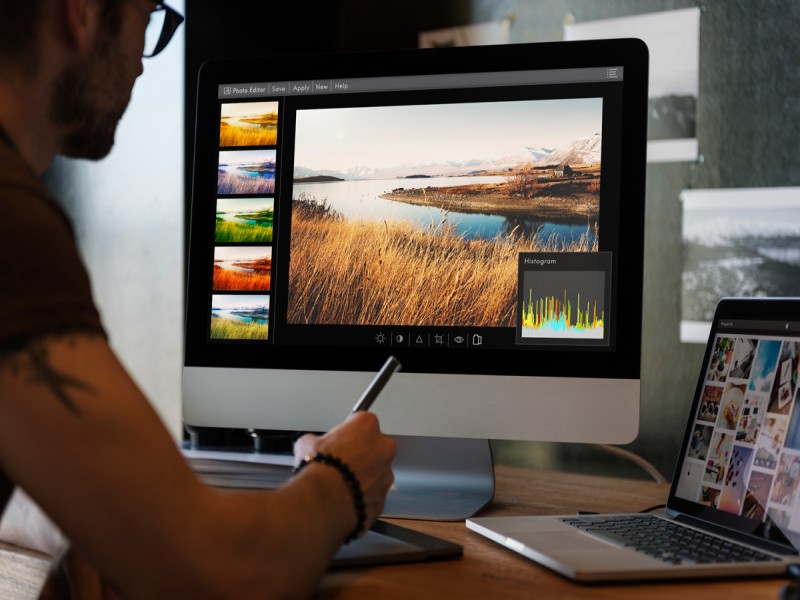
In today's digital age, high-quality visual content is essential for professionals and hobbyists alike. Fortunately, you no longer need an expensive subscription to professional software to achieve impressive results. A wide range of powerful, free tools is available to bridge the gap between amateur and expert. These tools offer not only basic functions like cropping and color correction, but also advanced features like layers, masks, and AI-driven filters. Using a quality image editor allows users to unleash their creativity without financial barriers.
Whether you are working on marketing materials, social media posts, or personal art projects, the accessibility of this software has democratized the creative sector. By making smart use of browser-based editors or open-source desktop software, you can achieve the same visual impact that was previously reserved only for expensive studios and graphic designers with large budgets.
Top choices for every skill level
When looking at the most popular solutions, some names stand out for their versatility and user-friendliness. GIMP has long been known as the most powerful free alternative to Adobe Photoshop and offers tremendous depth for those willing to learn the interface. For users who prefer a faster, cloud-based approach, Photopea is an excellent choice. It supports PSD files and feels nearly identical to the industry standard, which significantly reduces the learning curve.
Besides these advanced packages, tools like Canva focus on design and speed. Canva is ideal for quickly creating content using intuitive drag-and-drop functionality and countless professional templates. Darktable also deserves a mention for photographers in need of advanced RAW processing, similar to Adobe Lightroom. By experimenting with these various software options, users can discover which package best fits their specific workflow and artistic needs without incurring additional costs.
Optimization for professional results
Successful image editing is not just about the software, but also about understanding basic technical principles. Even with the best free tools, knowledge of things like resolution, color profiles, and composition is essential. Many of the platforms mentioned today offer built-in AI features, such as background removal or one-click sharpness enhancement. This allows users to speed up their workflow and spend more time on creative aspects rather than repetitive tasks. In short, the current market offers an excellent balance between power and ease of use.
Whether you choose the depth of GIMP or the efficiency of an online editor, the barrier for quality visual content is lower than ever. By practicing consistently and taking full advantage of these free tools, anyone can elevate their digital output and stand out in a saturated online environment. The future of creativity lies in the power of accessible and powerful digital tools for everyone.